Television Streaming Access Supporting More Convenient Viewing Across Connected Household Devices
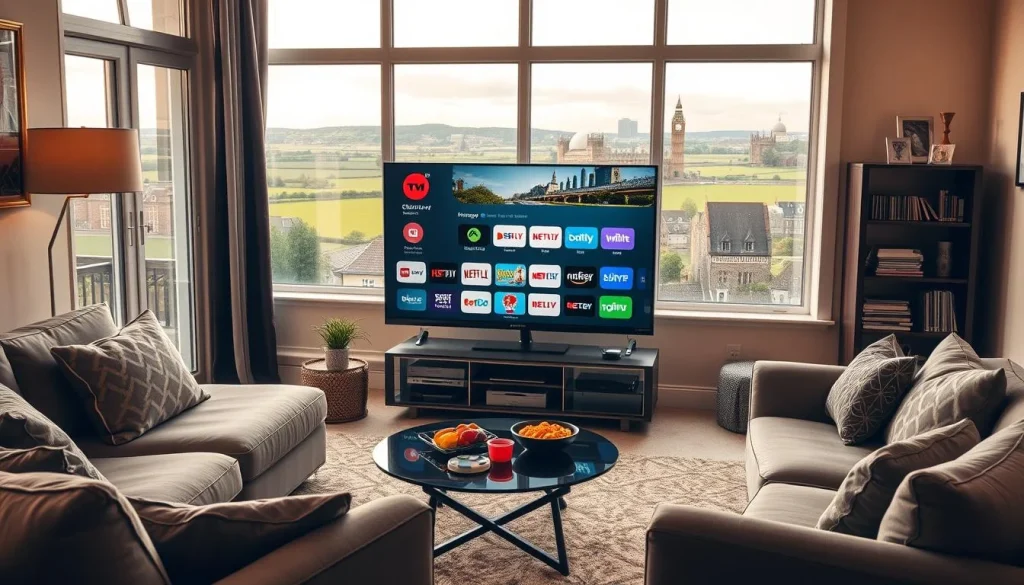
People watch television differently now. Not dramatically all at once maybe, but slowly. A few years back most viewing happened in one place at one time. These days entertainment follows people around the house instead.
Someone watches news in the kitchen for ten minutes. Later there is a movie running on the television. Then a phone comes out before sleeping just to continue browsing through random content again. That pattern feels normal now.
For many viewers checking Top IPTV Providers, the main attraction is usually this flexibility around daily viewing habits rather than flashy promises or changing feature lists. The comfort of simply opening something and watching without overthinking it matters more after a while.
Why users now prefer flexible viewing schedules
Not everybody watches television for hours anymore. Some people barely sit through a full program during weekdays.
A lot of viewing now happens in small pieces.
Morning news while getting ready. Sports clips during lunch. Random late night browsing without really deciding what to watch immediately. And weekends feel completely different again because people suddenly have time to slow down with entertainment.
That change quietly pushed streaming systems into everyday routines.
Some viewers still keep old television habits though. Fixed evening watching still exists in plenty of homes.
Streaming access through smart televisions explained
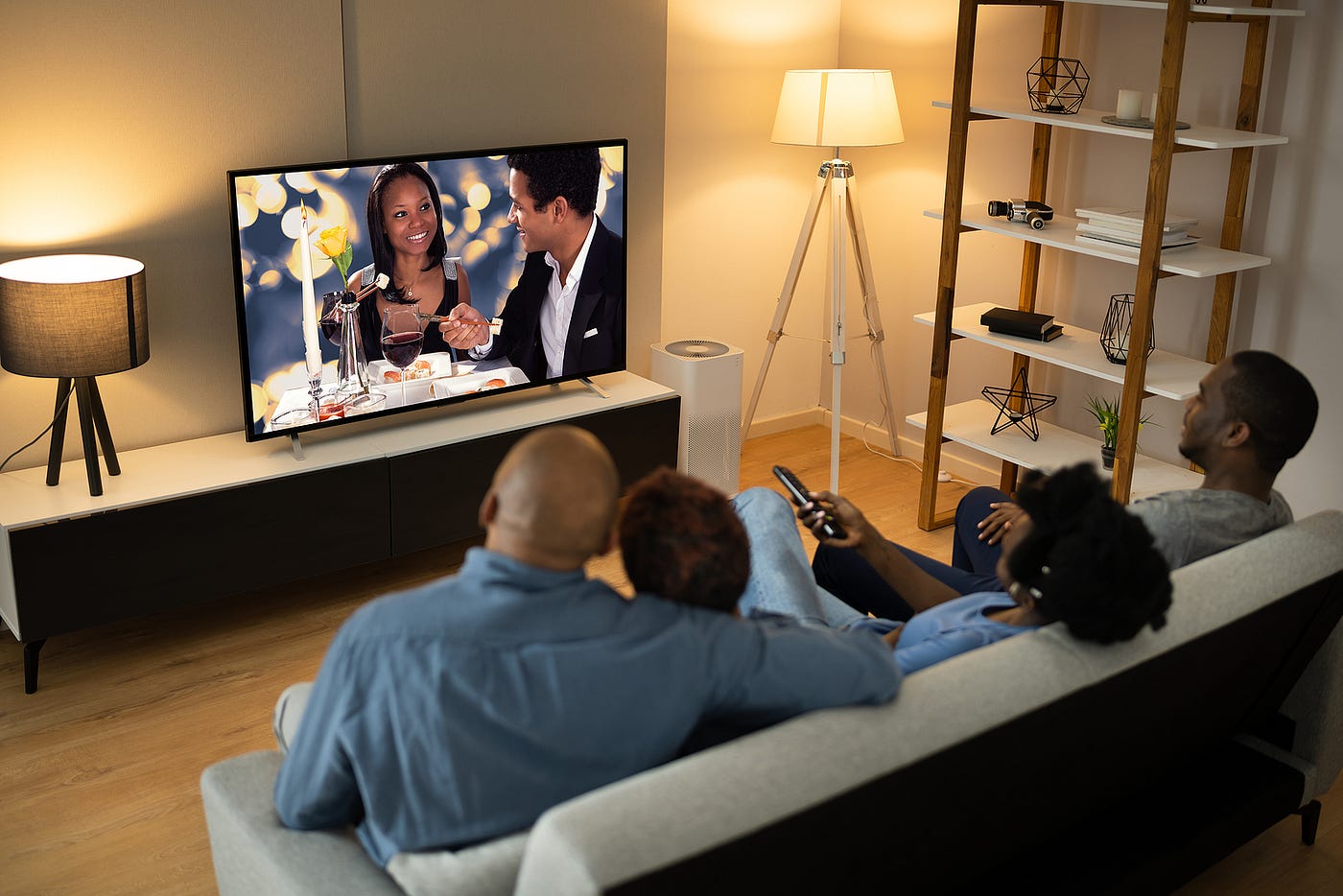
Larger screens still matter. Especially for movies, sports, or family viewing where everyone sits together for a while. But connected television systems no longer stay limited to that one setup.
People move around constantly now. Someone starts watching in the living room and later continues somewhere else without thinking much about it. The switch between devices feels almost automatic after some time.
And honestly, once viewers get used to flexible access, older viewing styles can start feeling strangely restrictive. Not for everybody maybe. But for many.
Playback tools and viewing controls people appreciate
Most viewers rarely talk about playback controls directly, but they notice immediately when navigation feels annoying.
Simple layouts usually work better long term.
Nobody wants to keep searching through cluttered menus every evening just to continue watching something. Easy pause controls, comfortable browsing, and smooth category movement quietly shape the whole viewing experience more than flashy presentation styles do.
Sometimes the systems that feel almost boring at first become the easiest to live with later.
That probably sounds strange but it happens often.
Subscription structures and access differences explained
Different households build different viewing habits naturally. One family may watch mostly live television together while another person mainly uses smaller devices alone at night.
The entertainment environment changes completely depending on those routines.
Some viewers explore every section immediately. Others stick with the same categories for months. Sports viewers often behave differently from movie viewers too because browsing habits change around the type of content people care about most.
And viewing patterns are not always consistent either. Someone may barely use entertainment systems during weekdays then suddenly spend half a weekend casually browsing through content.
From Top IPTV Providers, viewers tend to focus more on everyday usability and flexible watching routines because those are the things people actually live with daily, not temporary promotional details that disappear later.
Comparing viewing experiences across different user types
Some households always keep entertainment running in the background. Others only watch occasionally. A few viewers love browsing endlessly while some decide what to watch almost immediately.
There is no single viewing style anymore.
And that variety is probably why connected streaming systems continue fitting naturally into different routines without feeling locked into one structure. One person uses a tablet quietly at night while another fills the living room television with sports all weekend.
Both situations feel completely normal now.