Why Dental Implants Offer Superior Stability Compared to Removable Prosthetics
Understanding the Foundation of Modern Tooth Replacement
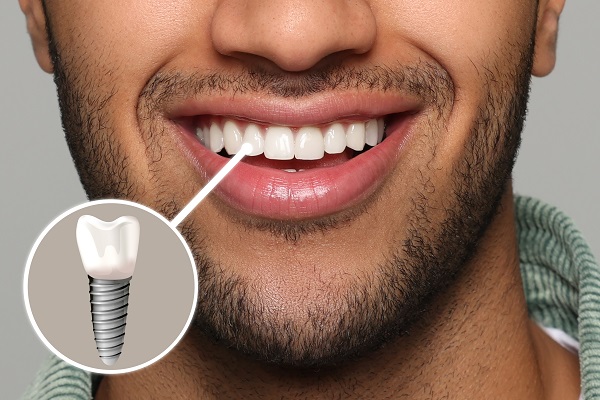
The landscape of restorative dentistry has transformed dramatically over recent decades, with patients now enjoying access to tooth replacement solutions that would have seemed remarkable just a generation ago. Amongst these advances, the emergence of permanent fixtures has revolutionised how individuals approach the loss of natural teeth. The fundamental difference between fixed and removable options lies not merely in convenience, but in the profound biomechanical advantages that come from integrating replacement teeth directly with the jawbone itself with dental implants in Plymouth.
When considering tooth replacement options, many patients find themselves weighing the benefits of traditional dentures against more permanent solutions. The distinction between these approaches extends far beyond aesthetics or initial cost considerations. The stability offered by fixed prosthetics stems from a biological process that essentially creates an artificial tooth root, providing a foundation that mirrors natural dental anatomy in ways that removable alternatives simply cannot replicate.
The Science Behind Permanent Fixture Stability
Osseointegration: Nature’s Engineering Marvel
The remarkable stability of dental implants derives from a biological phenomenon known as osseointegration. This process involves the direct structural and functional connection between living bone tissue and the surface of a titanium fixture. Unlike removable prosthetics that rest atop gum tissue, titanium posts become integrated within the jawbone itself, creating a bond that researchers have found to be remarkably resilient and long-lasting.
The distinction between primary and secondary stability in osseointegration represents a crucial aspect of understanding why these fixtures perform so exceptionally. Primary stability occurs immediately upon placement through mechanical engagement with bone, whilst secondary stability develops over subsequent months as new bone forms around the titanium surface. This dual-phase stabilisation process creates a foundation that can withstand substantial masticatory forces.
Biomechanical Advantages Over Removable Options
Removable dentures rely upon suction, adhesives, or clasps to remain in position, creating an inherently less stable arrangement. These prosthetics rest atop soft tissue and move independently of the underlying bone structure. Studies examining the biomechanical performance of different prosthetic options have demonstrated that this superficial positioning results in micromovement during function, which can compromise both comfort and chewing efficiency.
In contrast, fixed prosthetics transfer occlusal forces directly to the jawbone, distributing pressure in a manner that closely resembles natural tooth function. This direct force transmission means that patients can enjoy biting forces approaching 80-90% of natural dentition, whilst removable denture wearers typically manage only 20-25% of normal bite strength. The implications for dietary choices and nutritional intake become immediately apparent when examining these figures.
Practical Benefits in Daily Life
Enhanced Functionality and Confidence
The superior stability of fixed prosthetics manifests in numerous practical advantages that extend well beyond the dental surgery. Individuals with these permanent solutions report significantly greater confidence when eating challenging foods, speaking in social situations, and engaging in physical activities. The absence of movement or slippage eliminates the anxiety that many denture wearers experience, particularly in professional or social contexts where self-consciousness about prosthetic displacement can prove genuinely distressing.
Furthermore, the stability provided by dental implants means that patients need not concern themselves with adhesives, special cleaning routines for removable appliances, or the inconvenience of taking out prosthetics for overnight soaking. The maintenance requirements more closely mirror those of natural teeth, involving regular brushing, flossing, and professional check-ups rather than the more involved care protocols associated with removable options.
Long-Term Structural Preservation
Research examining bone preservation outcomes with different prosthetic approaches has revealed another compelling advantage of fixed solutions. The mechanical stimulation provided by integrated titanium posts helps maintain jawbone density and volume, whereas removable prosthetics contribute to progressive bone resorption over time. This gradual bone loss beneath dentures necessitates periodic adjustments and eventual replacement as the underlying structures change shape.
The preservation of bone architecture not only maintains facial aesthetics but also ensures that the prosthetic foundation remains stable for decades. This longevity represents a significant consideration when evaluating the true cost-effectiveness of different tooth replacement strategies over a lifetime.
Making an Informed Choice
The evidence supporting the superior stability of fixed prosthetics over removable alternatives proves compelling across multiple dimensions. From the biological integration of titanium with bone tissue to the practical advantages in daily function, these permanent solutions offer benefits that extend far beyond simple tooth replacement. For individuals seeking the most stable, functional, and long-lasting approach to restoring their smile, the advantages of modern implant dentistry warrant serious consideration.