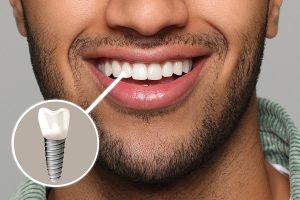
Creating Natural Smiles: The Evolution of Composite Bonding
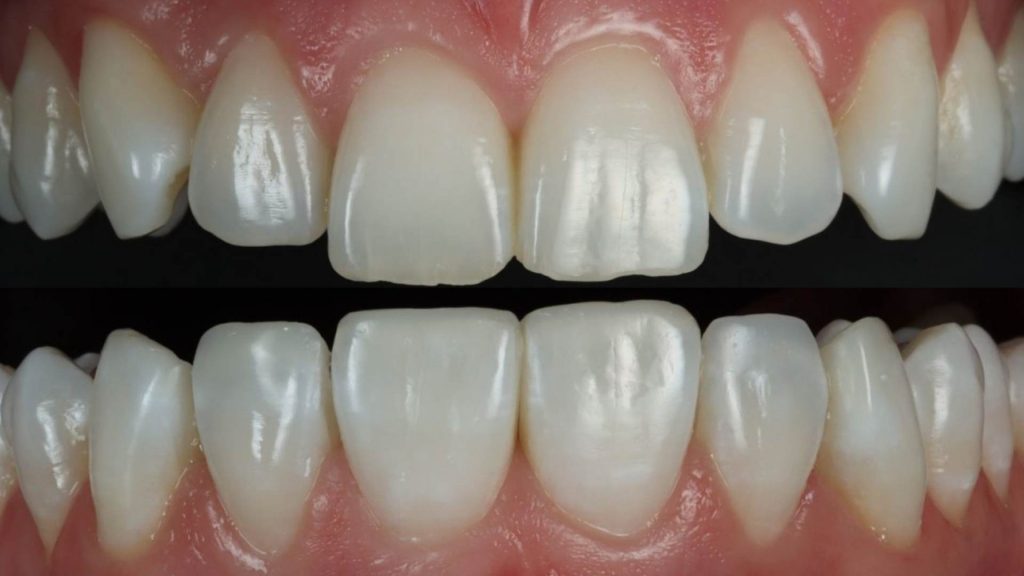
The Dawn of Modern Smile Enhancement
The quest for an enchanting smile has captivated humanity for centuries, yet only in recent decades has dental science truly mastered the art of creating natural-looking enhancements. Composite bonding in Canary Wharf and elsewhere stands as one of the most remarkable achievements in cosmetic dentistry, transforming countless smiles whilst preserving the authentic character that makes each person unique. This revolutionary technique has evolved from rudimentary tooth-coloured fillings to sophisticated aesthetic procedures that rival nature’s own craftsmanship.
The journey of composite bonding began in the 1960s when dental researchers first developed tooth-coloured resin materials. These early composites, whilst groundbreaking for their time, bore little resemblance to the sophisticated materials used today. The texture was often chalky, the colour matching was rudimentary, and longevity remained questionable. However, these pioneering efforts laid the foundation for what would become one of dentistry’s most versatile and popular treatments.
Scientific Breakthroughs That Changed Everything
The transformation of composite bonding into a refined art form occurred through decades of meticulous research and development. Modern composite resins now contain microscopic particles that mimic the light-reflecting properties of natural tooth enamel. These nano-particles create depth and translucency that was previously impossible to achieve, allowing skilled practitioners to craft restorations that are virtually indistinguishable from natural teeth.
Advanced bonding agents have revolutionised the adhesion process, creating molecular bonds between the composite material and tooth structure that can withstand the considerable forces generated during chewing. This scientific advancement has dramatically improved the durability of composite bonding, with many restorations lasting well over a decade when properly maintained.
The Role of Digital Technology
Contemporary dental practices have embraced digital shade matching systems that analyse the subtle colour variations within natural teeth. These sophisticated instruments capture data that the human eye might miss, enabling practitioners to select and blend composite materials with unprecedented precision. The result is seamless integration between the bonded material and the existing tooth structure.
Practices offering composite bonding in many UK areas now utilise these cutting-edge technologies to deliver exceptional results. The combination of advanced materials and digital precision has elevated composite bonding from a simple cosmetic fix to a sophisticated aesthetic procedure that can address complex smile concerns while maintaining natural beauty.
Artistry Meets Science in Modern Practice
The contemporary application of composite bonding requires both technical expertise and artistic vision. Skilled practitioners must understand not only the mechanical properties of various composite materials but also the subtle interplay of light, shadow, and colour that creates a convincing natural appearance. Each case presents unique challenges, from matching the translucency of aged enamel to recreating the delicate surface textures that give teeth their characteristic vitality.
The layering technique has become fundamental to achieving superior aesthetic results. Rather than applying composite material in a single mass, modern practitioners build up restorations in thin layers, each with specific optical properties. This approach allows for the recreation of the complex internal structure of natural teeth, where different zones exhibit varying degrees of opacity and colour saturation.
Addressing Contemporary Smile Concerns
Today’s composite bonding procedures can address an impressive range of aesthetic concerns, from minor chips and gaps to comprehensive smile makeovers. The versatility of modern materials enables practitioners to correct tooth shape, adjust proportions, and even modify the apparent position of teeth without the need for more invasive procedures.
Understanding the advantages and limitations of composite bonding treatments has become essential for both practitioners and patients seeking optimal outcomes. The procedure’s minimally invasive nature, combined with its reversibility, makes it an attractive option for those seeking smile enhancement without permanent alterations to their natural tooth structure.
The Future of Smile Enhancement
The evolution of composite bonding continues to accelerate, with researchers developing new materials that promise even greater durability and aesthetic appeal. Biomimetic approaches are being explored, where composite materials more closely replicate the hierarchical structure of natural teeth. These innovations suggest that future treatments will achieve even more seamless integration with existing dental structures.
Comprehensive information about modern composite bonding procedures and their applications continues to evolve as techniques advance. Meanwhile, specialist practices are exploring innovative composite bonding treatment approaches that push the boundaries of what’s possible in cosmetic dentistry.
The transformation of composite bonding from a simple restorative technique to a sophisticated aesthetic procedure represents one of modern dentistry’s greatest success stories. As materials science continues to advance and practitioners refine their techniques, the future promises even more remarkable possibilities for creating beautiful, natural-looking smiles that enhance both confidence and quality of life.